
Innovation Trends in Hazelnut Ingredients
Hazelnuts are no longer limited to chocolate and praline applications. Global brands are integrating hazelnut ingredients into plant-based formulations, premium confectionery, functional foods, clean-label snacks and novel culinary concepts. This article explores the latest innovation trends shaping the next decade of hazelnut usage.
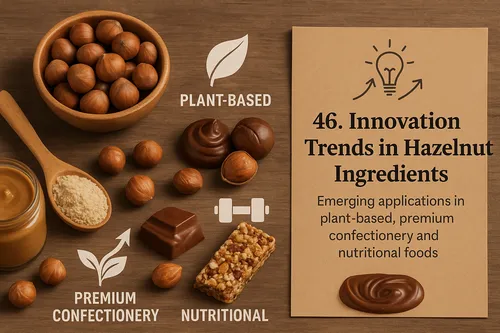
1. Premiumization in confectionery & bakery
Hazelnuts are increasingly positioned as a premium ingredient due to their flavor profile, natural oil content and association with European confectionery traditions. Brands utilize:
- Large-caliber kernels for visible inclusions in chocolates and bars.
- Single-origin hazelnuts highlighting terroir (e.g., Giresun / Tombul).
- High-roast or custom-roast profiles to create signature flavors.
- Artisanal pralines and gianduja with elevated particle size control.
As consumers seek rich, authentic flavor experiences, hazelnuts remain a core driver of premiumization in bakery, pastry and confectionery innovation.
2. Plant-based category expansion
Hazelnuts align naturally with plant-based trends due to their flavor, nutritional profile and compatibility with dairy alternatives. Emerging applications include:
- Hazelnut-based “milks” with clean-label positioning.
- Plant-based gelato using hazelnut paste for richness.
- Vegan spreads combining cocoa, hazelnut paste and alternative sweeteners.
- Protein bars & RTD beverages where hazelnut supports flavor masking.
Cold-pressed hazelnut oil is also gaining traction in plant-based cheese and dressings due to its neutral-to-nutty profile and high oxidative stability.
3. Functional & better-for-you formulations
Manufacturers are increasingly incorporating hazelnut formats into functional foods, leveraging their nutrient density and natural fats.
Key innovation drivers
- High MUFA content supporting heart-health messaging.
- Vitamins & minerals (E, B6, folate, magnesium).
- Antioxidant profile useful in better-for-you snack lines.
- Natural flavor enhancer reducing need for artificial additives.
Popular functional innovations include:
- Low-sugar hazelnut spreads.
- High-protein nut-and-seed bars with chopped hazelnuts.
- Keto-friendly bakery products using hazelnut flour.
- Energy bites using hazelnut paste as a binder.
4. Clean-label & minimal-processing approaches
As consumers move away from artificial enhancers, hazelnut ingredients support simple, recognizable ingredient lists. Trends include:
- Single-ingredient hazelnut pastes with no sugar or emulsifiers.
- Stone-milled hazelnut spreads emphasizing artisanal production.
- Unrefined or cold-pressed oils used in natural culinary products.
- Minimal-processed chopped and sliced formats for clean formulations.
5. Ingredient diversification & advanced processing
Exporters and processors are developing new formats to meet modern R&D demands.
Examples of next-generation hazelnut ingredients
- Extra-fine hazelnut flour for gluten-free baking and extrusion.
- Defatted hazelnut flour for high-protein formulations.
- High-stability hazelnut oil fractions for confectionery.
- Custom-roast and blended pastes for gelato manufacturers.
- Hazelnut-cocoa premixes for instant beverage applications.
These innovations help manufacturers reduce processing time and improve consistency across large-scale production.
6. Sustainability-driven innovation
Sustainability is now a major driver in product development. Hazelnut suppliers are adapting by introducing:
- Traceable supply programs from orchard to processor.
- Low-impact farming incentives supporting soil and biodiversity health.
- Upcycling initiatives using shells for energy or industrial uses.
- Certifications (organic, Rainforest-style initiatives, local co-op systems).
Brands increasingly highlight sustainability claims as part of their differentiation strategy.
7. Future directions for hazelnut R&D
Based on market analysis and manufacturer feedback, the next wave of innovation is expected to focus on:
- Hybrid confectionery combining hazelnuts with plant-based proteins.
- Hazelnut beverages with improved emulsification and creaminess.
- Ready-to-use hazelnut fillings for bakery automation.
- Flavor-optimized hazelnut oils for gourmet culinary products.
- Ultra-fine milled hazelnut powders for functional beverage mixes.
- Carbon-neutral hazelnut supply chains led by origin-based exporters.
Looking to develop innovative hazelnut products?
Atlas Hazelnuts supports R&D teams with custom formats, pilot samples and technical insights.