
Nutritional Properties of Hazelnuts
Hazelnuts are prized not only for their flavor but also for their dense nutritional profile. Their fatty acid balance, micronutrient content, antioxidant properties and protein structure make them valuable across indulgent, functional and better-for-you food categories. This article provides a detailed breakdown of the nutritional components relevant to food manufacturers, importers, formulators and nutrition-focused brands.
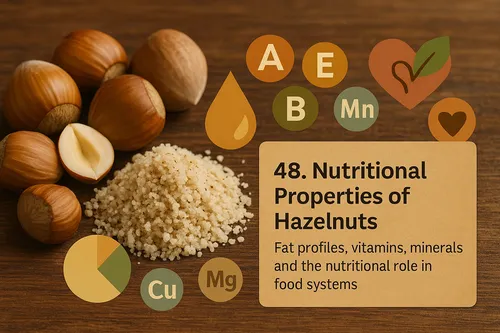
1. Macronutrient composition of hazelnuts
Hazelnuts are one of the most nutrient-dense tree nuts, with a macronutrient structure that supports energy delivery, heart-healthy formulations, and functional food applications.
Typical macronutrient values (per 100 g):
- Fat: 60–63%
- Protein: 12–15%
- Carbohydrates: 15–17%
- Dietary fiber: 8–10%
The high fat content—dominated by monounsaturated fatty acids—gives hazelnuts their smooth, clean taste and excellent oxidative stability compared to other nuts.
2. Fatty acid profile & industrial relevance
Hazelnuts are exceptionally rich in monounsaturated fats, particularly oleic acid, which also dominates the profile of olive oil. This contributes to shelf life, roasting performance and flavor stability.
Typical fatty acid distribution:
- Oleic acid (C18:1): 70–80%
- Linoleic acid (C18:2): 10–15%
- Palmitic acid: 4–6%
- Stearic acid: 2–4%
The dominance of oleic acid makes hazelnuts ideal for:
- premium chocolate and praline formulations
- paste and spread manufacturing
- cold-pressed and refined hazelnut oil production
- industrial applications requiring oxidation resistance
3. Protein composition & functional behavior
Hazelnut proteins consist primarily of globulins and albumins, which contribute to emulsification capacity and body in spreads, plant-based beverages and pastry fillings. While hazelnuts are not a complete protein source, their amino acid profile supports various nutritional claims.
- Protein digestibility: high, especially in roasted or blanched formats
- Amino acids: rich in arginine, leucine and phenylalanine
Industrial processors consider protein content when choosing raw material for flours, pastes and plant-based innovations, where texture and emulsifying behavior are critical.
4. Vitamins & micronutrients in hazelnuts
Hazelnuts provide a broad spectrum of vitamins and minerals relevant to consumer health positioning, especially in better-for-you snacking and functional foods.
Key micronutrients:
- Vitamin E: Hazelnuts are one of the richest natural sources (notably α-tocopherol)
- Magnesium: critical for energy metabolism
- Manganese: antioxidant enzyme cofactor
- Copper: supports red blood cell formation
- B vitamins: including B1, B6 and folate
Vitamin E content is a key differentiator in marketing hazelnut-based nutritional products, providing strong antioxidant claims.
5. Antioxidants & bioactive compounds
Beyond vitamins, hazelnuts contain significant levels of polyphenols, phytosterols and other bioactive compounds that influence both nutritional and sensory performance.
- Polyphenols: contribute to oxidative stability and flavor complexity
- Phytosterols: associated with cholesterol-lowering effects
- Proanthocyanidins: antioxidant activity, especially in skins
Blanched hazelnuts have reduced polyphenol levels due to skin removal, while roasted kernels show altered antioxidant activity depending on roast intensity.
6. Nutritional implications of processing: roasting, blanching & paste production
Processing can influence nutrient retention, fat stability and bioavailability. Industrial buyers must consider these changes when choosing formats for product development.
Roasting
Mild to medium roasting preserves most nutrients while enhancing flavor; darker roasting may reduce heat-sensitive vitamins.
Blanching
Removes the skin—reducing polyphenols but improving flavor neutrality and color.
Paste / Praline production
Grinding increases surface area, influencing oxidation rate; high oleic content helps maintain stability even in finely milled pastes.
7. Positioning hazelnuts in better-for-you and functional products
Manufacturers leverage nutritional properties to support claims such as:
- "Source of healthy fats"
- "Rich in Vitamin E"
- "Contains natural antioxidants"
- "Plant-based and minimally processed"
With strong consumer demand for nutrient-dense ingredients, hazelnuts continue to gain relevance in cereals, plant-based spreads, snack bars, dairy alternatives and protein-enriched confectionery.
Need nutritional specifications for your hazelnut program?
We provide detailed composition sheets, technical data and tailored sourcing options for manufacturers.