
Organic Hazelnut Farming Practices
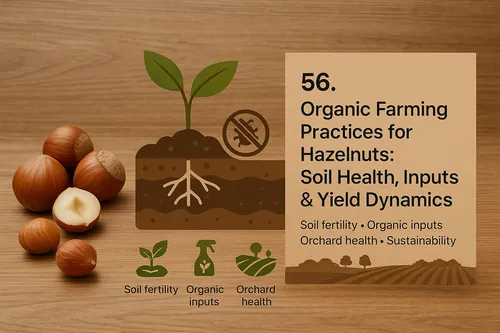
Organic hazelnut farming relies on natural soil fertility, biodiversity, ecological balance and strict input control. As global brands adopt sustainability commitments and clean-label strategies, demand for organically produced hazelnuts continues to rise—making certified, well-managed orchards increasingly valuable in international supply chains.
1. Principles of organic hazelnut cultivation
Organic farming is built around natural ecosystem processes rather than synthetic inputs. For hazelnut orchards, this means prioritizing soil health, biodiversity and long-term orchard vitality. Organic certification requires producers to follow documented management plans demonstrating compliance with ecological farming principles.
- No synthetic fertilizers, pesticides or herbicides
- Maintenance of natural vegetation and soil organic matter
- Protection of biodiversity and water resources
- Long-term sustainability of orchard productivity
2. Soil management & natural fertility programs
Soil quality is one of the most critical factors in organic hazelnut production. Healthy, nutrient-rich soils improve kernel formation, reduce stress, stabilize yields and support resilience against pests and climate fluctuations.
Common soil-enhancement practices:
- Composting: Adds organic nutrients and improves soil structure.
- Green manure crops: Legumes and grasses enhance nitrogen and reduce erosion.
- Mulching: Conserves moisture and suppresses weeds naturally.
- Minimal tillage: Preserves soil microbiota and reduces carbon loss.
3. Weed, pest & disease management without chemicals
Organic orchards rely on integrated ecological strategies instead of synthetic pesticides. Because hazelnuts have specific pest and disease pressures, growers must implement multi-layer protection systems.
Organic weed control methods:
- Mechanical cutting or mowing
- Mulching with organic matter
- Cultivation between tree rows
Organic pest and disease management:
- Biological controls: Beneficial insects targeting pests.
- Traps & monitoring: Early detection of hazelnut weevil and moth species.
- Copper-based treatments: Allowed for some fungal diseases under organic rules.
- Pruning & canopy management: Improves airflow and reduces fungal pressure.
4. Biodiversity & sustainable orchard ecosystems
Biodiversity plays a key role in maintaining a healthy orchard ecosystem. Organic hazelnut producers encourage natural species interactions that strengthen resilience and reduce dependence on external inputs.
- Maintaining flowering plants to support pollinators
- Encouraging natural predators of pests
- Using buffer zones and ecological corridors
- Protecting soil organisms and beneficial microbes
These practices contribute to stronger, more sustainable orchard systems over the long term.
5. Orchard renewal & long-term productivity
Hazelnut trees are long-lived, but productivity declines over time if orchards are not actively renewed. Organic growers must plan for rotation and regeneration without relying on synthetic chemical aids.
- Replanting declining sections with certified organic seedlings
- Maintaining proper spacing to reduce competition
- Pruning to optimize sunlight penetration and airflow
- Monitoring soil fatigue and nutrient depletion
6. Certification systems governing organic orchards
Organic hazelnut orchards must comply with strict certification protocols to ensure that all farming practices meet international organic standards.
- EU Organic Certification: Annual audits, documentation, input control and traceability.
- USDA NOP Certification: U.S.-recognized framework with strict compliance requirements.
- Transition period rules: Typically 2–3 years required before organic status is granted.
Once certified, orchards enter a continuous monitoring cycle to maintain compliance.
Looking to source certified organic hazelnuts?
Atlas Hazelnuts supplies fully certified organic kernels, paste, flour and oil for premium brands worldwide.