
Organic Hazelnut Oil: Cold-Pressed Benefits & Industrial Applications
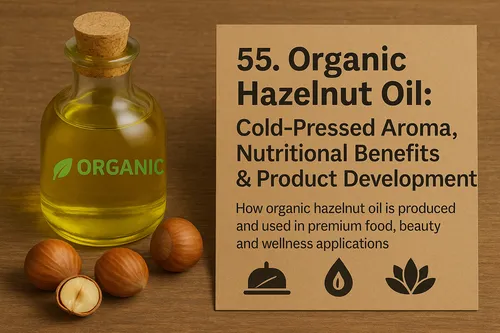
Organic cold-pressed hazelnut oil has emerged as a premium ingredient for culinary, cosmetic and plant-based food applications. Its clean-label positioning, high monounsaturated fat content, natural aroma and organic certification make it a preferred choice for manufacturers developing premium and functional products.
1. What makes cold-pressed organic hazelnut oil unique?
Cold-pressed hazelnut oil is extracted mechanically without heat or chemical solvents. When combined with organic certification, it becomes one of the cleanest and most naturally expressive nut oils available. Key advantages include:
- Pure extraction: Mechanical pressing preserves flavor, aroma and nutrients.
- Clean-label positioning: No additives, processing aids or chemicals allowed.
- Natural nutty aroma: Favored for gourmet and premium food categories.
- High monounsaturated fat content: Supports functional and health-oriented formulations.
These qualities make organic hazelnut oil ideal for premium and natural product development.
2. Organic certification requirements for hazelnut oil
Organic hazelnut oil must originate from certified organic orchards and be processed in facilities approved under major certification bodies. The main certification regimes include:
- EU Organic (2018/848): Regulates input controls, prohibits synthetic chemicals and mandates traceability.
- USDA Organic (NOP): Requires documented farm practices, approved input lists and annual inspections.
- Non-GMO & Fairtrade options: Sometimes added to support brand positioning.
Processors must maintain segregated organic lines and documented traceability from orchard to final oil packaging.
3. Fatty acid composition & functional benefits
Organic hazelnut oil is naturally rich in monounsaturated fats, especially oleic acid — similar to high-quality olive oil. This composition contributes to both functional performance and consumer-facing nutritional claims.
Typical composition:
- Oleic acid (MUFA): 70–80%
- Linoleic acid (PUFA): 10–20%
- Saturated fats: 5–10%
High MUFA content enhances oxidative stability, making cold-pressed hazelnut oil suitable for applications requiring shelf-life performance.
4. Clean-label culinary and food manufacturing uses
Organic hazelnut oil offers a distinctive aromatic profile and smooth texture ideal for premium food manufacturing. Typical applications include:
- Gourmet dressings & sauces: Provides a natural nutty aroma.
- Premium chocolate & praline: Enhances flavor complexity and smoothness.
- Plant-based dairy alternatives: Adds creaminess and clean-label fats.
- Bakery products: A natural alternative to refined oils.
- Nutritional & functional foods: High-MUFA nutritional positioning.
Because it contains no additives, organic hazelnut oil is compliant with strict clean-label guidelines.
5. Cosmetic, aromatherapy & skincare benefits
Beyond food applications, organic hazelnut oil is widely used in natural cosmetics due to its light texture and rapid skin absorption.
- Moisturizing & softening: Ideal for lotions, serums and body oils.
- Non-greasy finish: Preferred in facial skincare formulations.
- Carrier oil performance: Well-suited for aromatherapy blends.
- Organic certification: Required for natural and eco-friendly cosmetics.
6. Packaging, stability & storage recommendations
As a cold-pressed oil, organic hazelnut oil is sensitive to oxidation. Professional suppliers use:
- Dark glass or metal containers for light protection
- Nitrogen flushing to minimize oxidation
- Batch-level organic documentation
- Temperature-controlled storage conditions
Shelf life is typically 12–18 months under correct storage conditions.
Looking for premium organic hazelnut oil?
Atlas Hazelnuts supplies certified cold-pressed organic hazelnut oil for food and cosmetic manufacturers.